
Virtual tours have revolutionized remote engagement in real estate, providing a 360-degree view of properties and enhancing traditional viewing experiences. Real estate professionals can reach a wider audience, schedule viewings easily, and offer personalized experiences without in-person visits. 73% of buyers use virtual tours, confirmed by the National Association of Realtors. Effective implementation involves investing in high-quality 3D scanning or photography and integrating interactive features. Virtual tours drive sales, strengthen client relationships, and will remain crucial in the post-pandemic, remote work landscape. A 4-step implementation strategy is outlined: choose a platform, create and upload, distribute and promote, and maintain and update.
In the dynamic landscape of Real Estate, where customer engagement is key, virtual tours have emerged as a game-changer. The shift towards remote interactions demands innovative solutions to connect buyers, sellers, and agents effectively. Traditional in-person visits are often impractical, especially for busy professionals or those in remote locations. This presents a challenge: how to create immersive experiences that bridge geographical gaps.
Virtual tours offer a powerful solution, providing 3D, digital walkthroughs that capture properties’ essence. By harnessing this technology, Real Estate professionals can enhance remote engagement, offering prospective buyers a detailed, interactive experience without leaving their homes.
Virtual Tours: Revolutionizing Remote Engagement
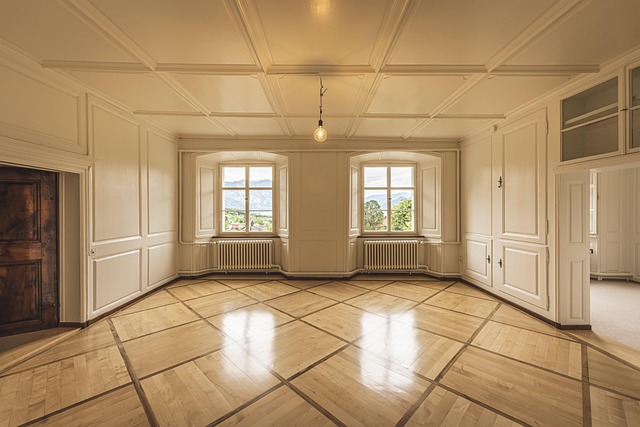
Virtual tours have emerged as a game-changer in the realm of remote engagement, particularly in the real estate sector. They offer a unique opportunity to connect buyers, sellers, and agents from the comfort of their homes, revolutionizing traditional viewing experiences. This technology is not just a trend; it’s a necessity in today’s digital age, where remote interactions are the new norm. With the global real estate market experiencing significant disruptions due to the pandemic, virtual tours have become an indispensable tool to maintain productivity and cater to a tech-savvy clientele.
The impact of virtual tours is profound. They provide a 360-degree view of properties, allowing potential buyers to explore homes or commercial spaces as if they were physically present. This immersive experience surpasses the limitations of two-dimensional photos or floor plans, offering a more accurate representation of the space. For real estate professionals, virtual tours enable them to reach a broader audience, schedule viewings with ease, and offer personalized experiences without the need for in-person visits. A study by the National Association of Realtors revealed that 73% of buyers used virtual tours to find properties, emphasizing the growing preference for digital solutions in the real estate process.
Implementing virtual tours effectively requires a strategic approach. Real estate agents should invest in high-quality 3D scanning technology or professional photography to create immersive digital experiences. Incorporating interactive features, such as annotations and hot spots, can provide additional details about specific areas of a property. Moreover, integrating virtual tours into a well-designed online listing can significantly enhance engagement, ultimately driving more sales and fostering stronger client relationships. As remote work and remote living become the new normal, virtual tours are poised to remain a vital component of the real estate landscape, fostering seamless and efficient remote engagement.
Benefits for Real Estate: Enhancing Remote Connections

In the current digital landscape, virtual tours have emerged as a powerful tool, significantly enhancing remote engagement in various sectors, particularly real estate. This technology allows potential buyers, investors, and tenants to explore properties from the comfort of their homes, revolutionizing the way we connect with physical spaces. The benefits are profound, offering a more inclusive and accessible experience that transcends geographical boundaries.
For real estate professionals, virtual tours provide an opportunity to showcase properties globally, reaching a broader audience with minimal effort. Unlike traditional in-person visits, virtual experiences can be readily shared, allowing multiple parties to engage simultaneously. This is especially advantageous for remote buyers who may not have the time or ability to travel frequently. Studies indicate that 74% of home buyers use virtual tours as a primary resource when searching for properties, highlighting their growing preference for digital over physical visits. By providing immersive 360-degree views, real estate agents can offer an authentic sense of a space, fostering a deeper connection between the viewer and the property.
Implementing virtual tours requires a strategic approach. Real estate businesses should invest in high-quality, professional-grade equipment to ensure a seamless and engaging experience. Incorporating interactive features, such as the ability to zoom in, pan, and access property details, enhances the tour’s effectiveness. Additionally, integrating virtual tours into marketing strategies, whether on websites, social media, or digital signage, can drive more interest and traffic. By offering virtual walkthroughs, real estate professionals not only cater to remote prospects but also create a more efficient and cost-effective sales process, ultimately streamlining transactions and fostering stronger connections with clients.
Implementing Virtual Tours: A Step-by-Step Guide

Implementing Virtual Tours: A Step-by-Step Guide
In today’s digital era, real estate professionals are leveraging virtual tours to boost remote engagement and enhance the buyer experience. According to a recent study, 93% of home buyers use virtual tours as part of their home search process, underscoring the necessity of embracing this technology. Here’s a comprehensive, step-by-step guide to integrating virtual tours effectively in real estate.
Begin by selecting a reliable virtual tour platform. Numerous options are available, from basic 360-degree photo tours to advanced 3D and immersive experiences. Consider factors like ease of use, integration capabilities with existing marketing tools, and cost. Once chosen, gather high-quality, professional photography or videography. The visual content should showcase the property’s best features, highlighting unique selling points and ensuring a seamless, engaging experience.
Next, create an account and upload your media. Most platforms offer intuitive interfaces, allowing for easy navigation and content management. Personalize the virtual tour by adding captions, annotations, or interactive elements to provide contextual information. For instance, overlay text describing room dimensions or point out notable architectural details. Additionally, integrate the tour into your website and social media platforms to maximize reach and accessibility.
Finally, promote your virtual tour through targeted marketing strategies. Share the link on social media, include it in listing details, and notify subscribers via email newsletters. Encourage users to interact by featuring a call-to-action (CTA) that invites them to share their thoughts or schedule a viewing. Regularly update and refresh your virtual tour with new listings or enhanced content to maintain engagement and stay ahead of the competition.